

Building Assessment Before Purchase: How to Understand the Real Condition of a Property
Buying real estate is one of the largest financial decisions most people or companies make. Whether you are purchasing an apartment, a private house, or a commercial space, the visual impression can be misleading. Fresh paint, new flooring, or modern lighting often hide technical issues that may result in significant expenses after the deal is closed. A professional building assessment before purchase focuses not on appearance, but on the actual condition of the property and its systems.
What a Building Assessment Before Purchase Really Is
A building assessment before purchase is a structured technical inspection of a specific property unit. In technical documentation and due diligence, this process is often described as a property condition assessment focused on the real technical condition of the property unit. It does not cover an entire residential complex or the full building structure as a whole. Instead, it focuses on the apartment, house, or commercial premises being purchased, including all accessible and relevant technical elements.
The goal of such an assessment is to identify existing defects, construction deviations, safety risks, and signs of long-term deterioration that may affect usability, value, or operating costs.
What Is Included in a Professional Property Inspection
Structural Condition of the Unit
Inspectors assess visible structural elements within the inspected property. This includes visible structural elements within the unit, including internal walls, ceilings, floors, and signs of structural movement. According to professional inspection standards, visible structural issues often indicate deeper problems that require further expert evaluation.
Engineering and Utility Systems
A key part of any building assessment is the inspection of technical systems serving the specific unit.
- Electrical wiring, outlets, and distribution panels
- Plumbing systems, water pressure, leaks, and drainage
- Heating systems, radiators, boilers, or local heating units
- Ventilation and air circulation
Industry inspection guidelines emphasize that electrical and plumbing defects are among the most common and costly problems discovered during pre-purchase inspections.
Moisture, Insulation, and Indoor Environment
Moisture-related issues are a major risk factor in apartments and commercial spaces. Inspectors look for signs of water intrusion, condensation, mold growth, and inadequate insulation. Real estate inspection studies consistently show that unresolved moisture problems not only damage structures but also impact indoor air quality and potential health-related risks.
Windows, Doors, and Interior Finishes
While finishes are not the main focus, inspectors evaluate whether defects in windows, doors, flooring, or wall finishes indicate deeper technical problems. Poor installation, air leakage, or thermal bridges often reveal construction shortcuts or aging materials.
Exterior Elements Related to the Unit
For houses and some commercial premises, the inspection may also include elements directly connected to the unit, such as balconies, terraces, roofs accessible from the property, drainage systems, and visible façade sections that affect the inspected space.
Why a Visual Walk-Through Is Not Enough
A standard property viewing is designed to sell, not to diagnose. Sellers and agents focus on layout, atmosphere, and aesthetics. Professional inspectors, on the other hand, follow a technical checklist and use non-invasive diagnostic tools.
According to international property inspection practices, many critical defects remain unnoticed by buyers because they require experience, technical knowledge, or measurement tools to identify. A building assessment provides objective data instead of subjective impressions.
What a Professional Inspection Report Contains
In professional terminology, the results of a building assessment or property condition assessment are documented in a structured technical report that can be used for decision-making and negotiations. After the assessment, the buyer receives a structured inspection report. This document typically includes.
- A clear description of identified defects and deviations
- Photo documentation of findings
- Explanation of potential risks and consequences
- Recommendations for repairs or further expert evaluation
Such reports are commonly used during price negotiations, contract amendments, or decisions to withdraw from a purchase.
Common Questions Buyers Ask
How much does a building assessment cost
The cost depends on the type of property, its size, and technical complexity. In practice, inspection costs represent only a small fraction of the property price, while helping to avoid significantly higher post-purchase expenses.
Can inspection results affect the purchase price
Yes. Inspection findings are often used as a factual basis for renegotiating the purchase price or requesting repairs before closing.
Can all defects be detected
A professional assessment significantly reduces risk, but it cannot guarantee the discovery of every hidden issue. Inspectors focus on accessible elements and visible indicators of deeper problems.
Typical Mistakes Buyers Make
Many buyers skip professional inspections to save time or money. Others rely solely on visual condition or seller assurances. Inspection data from multiple markets shows that ignoring technical assessments frequently leads to unexpected repair costs and legal disputes after purchase.
How PKB Conducts Property Condition Assessments
PKB focuses on pre-purchase inspections of apartments, houses, and commercial premises. We assess the real condition of the specific unit you are buying and its accessible systems, using a structured checklist and objective on-site verification. The goal is practical: to identify defects, safety risks, and warning signs that can lead to unexpected repair costs or operational issues after the purchase.
After the inspection, you receive a clear, photo-supported report that summarizes findings, explains why they matter, and outlines recommended next steps. This property condition assessment helps you make a decision based on facts, not on the appearance of a staged viewing, and gives you solid ground for negotiations or follow-up checks when needed.
More articles
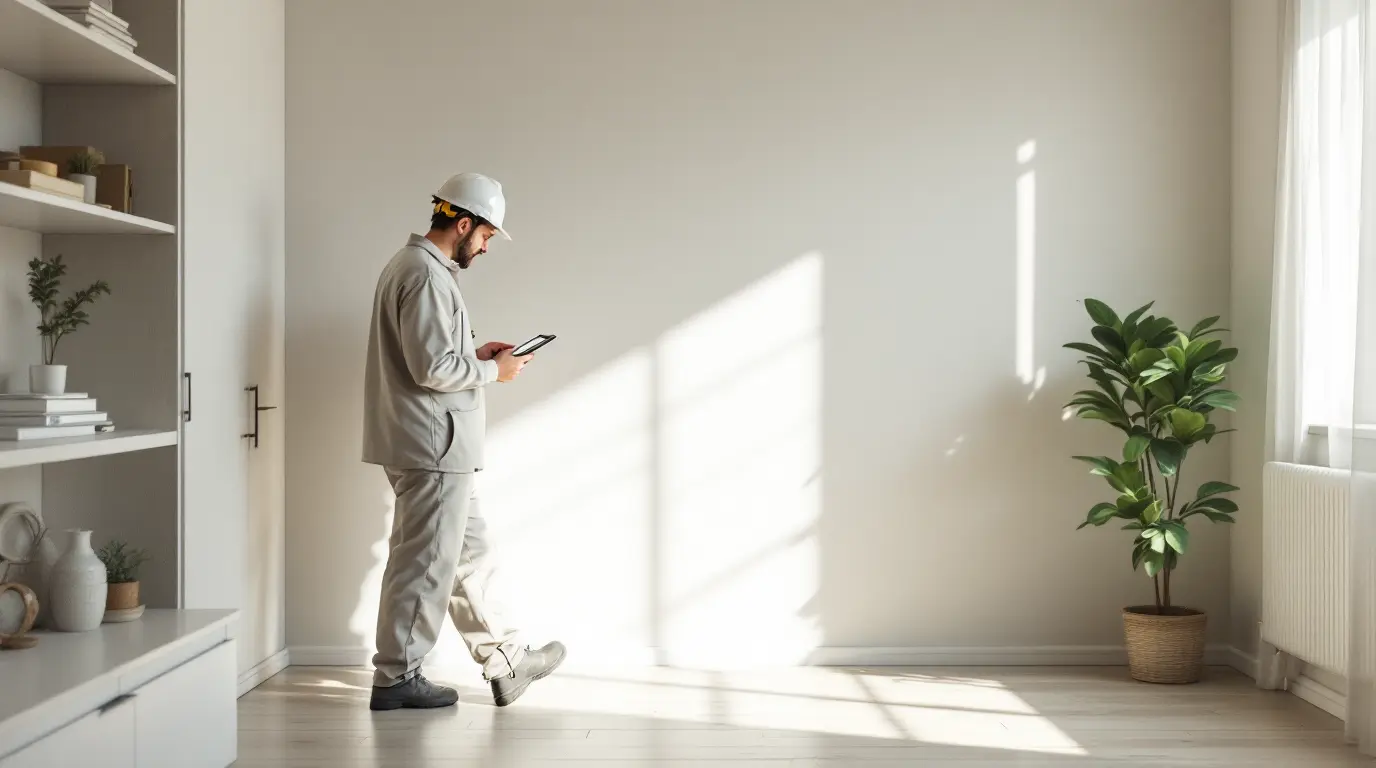
Risks When Inspecting a Resale Apartment
Buying a resale apartment may seem straightforward, especially when the property looks well-maintained. However, cosmetic repairs often hide serious technical issues. A standard viewing does not reveal the real condition of systems and structures. That is why a professional inspection before purchase is essential. In this article, we explain the most common hidden risks buyers overlook.
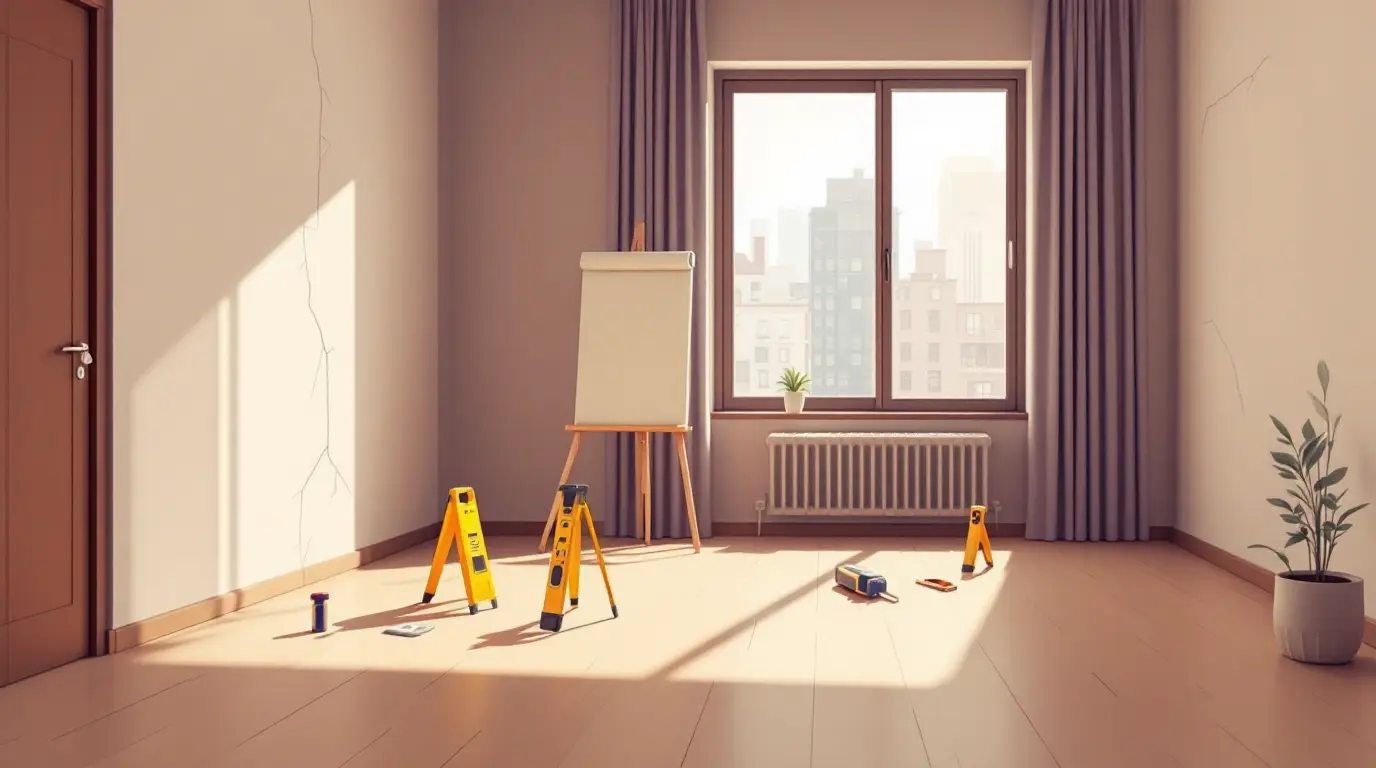
Can You Inspect an Apartment Without a Specialist
Inspecting an apartment without a specialist may seem like a way to save money. However, without proper knowledge and tools, many hidden defects remain unnoticed. Mistakes at this stage can lead to additional costs and complications with developers. Understanding these risks is essential before making a decision. In this article, we explain when самостоятельная inspection is possible and when it becomes risky.
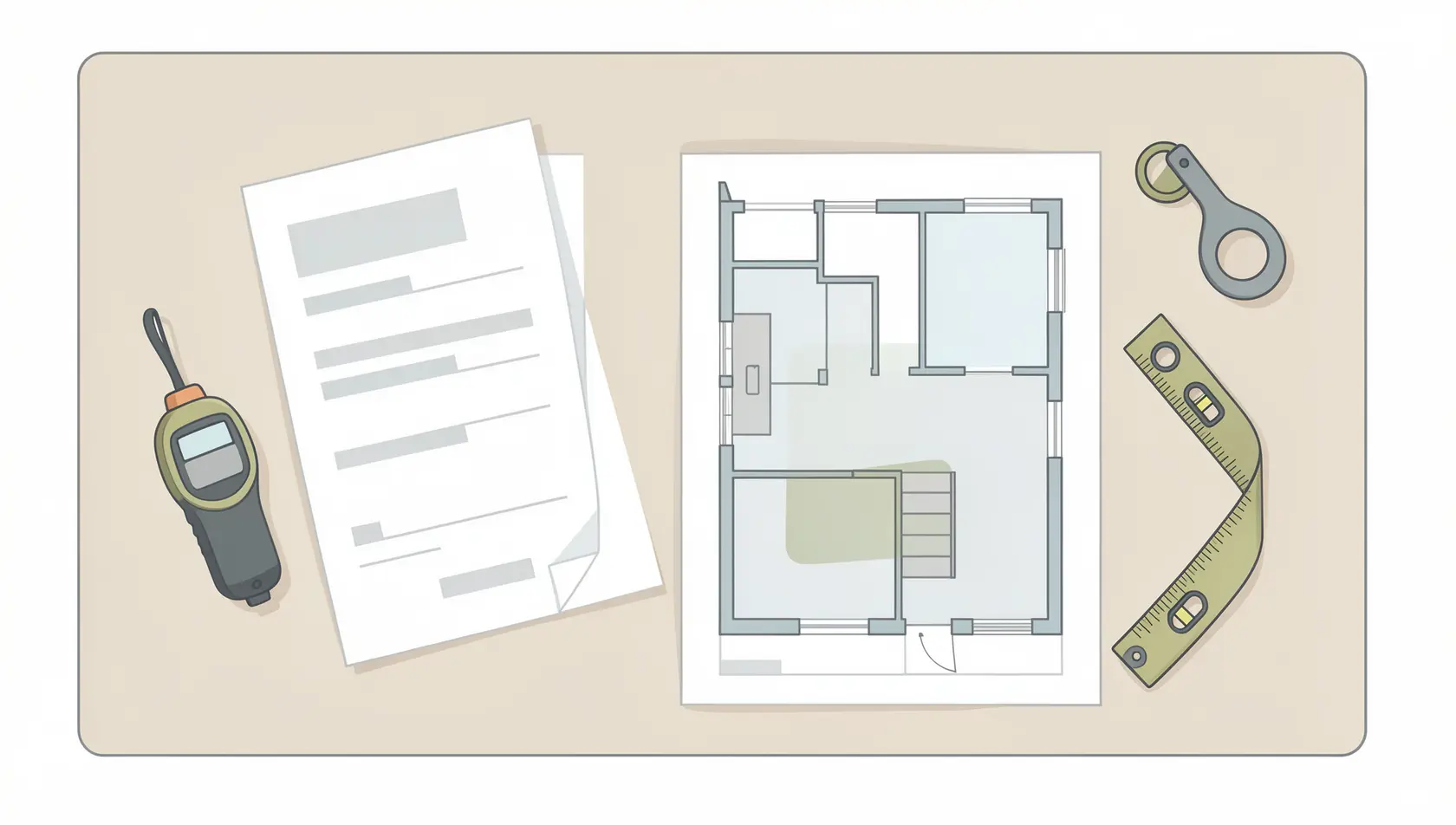
How to Write a Defect Report at Apartment Handover
Apartment handover is the critical moment to document construction defects correctly. In this article, we explain how to draft a defect report so the developer cannot dispute the wording and is required to fix the identified issues. Practical guidance, structure, and common mistakes to avoid.