

Risks When Inspecting a Resale Apartment That Are Not Visible During a Viewing
When purchasing an apartment on the secondary (resale) market, the main risks are associated with hidden technical defects, wear and tear of engineering systems, and structural issues. Without a professional inspection, many of these problems cannot be identified during a standard viewing.
That is why a technical inspection before purchase is essential — it helps avoid unexpected expenses and allows you to make a well-informed decision.
Why It Is Important to Inspect an Apartment Before Purchase
Buying a resale property often creates a positive first impression — fresh paint, new furniture, and well-maintained interior details. However, appearance does not always reflect the actual condition of the apartment. Housing market data shows that buyers frequently underestimate technical risks when they rely solely on how the property is presented.
During a viewing, it is difficult to assess the condition of hidden elements such as инженер systems, structural components, and finishes beneath the surface. As a result, defects may only become apparent after the transaction is completed, significantly increasing renovation costs and delaying the move-in timeline.
What Risks Should You Consider Before Buying a Resale Apartment
Before purchasing a resale apartment, it is important to consider a wide range of technical and operational risks that are not always visible during a standard viewing. A property may appear clean and well-maintained, but cosmetic renovations often hide worn-out engineering systems, signs of past leaks, structural distortions, or aging materials.
These issues can significantly affect not only living comfort but also the total renovation budget, move-in timeline, and even the safety of the property. A professional inspection before purchase allows you to assess the real condition of the apartment, estimate potential costs, and avoid unexpected financial surprises after closing the deal.
Issues with Engineering Systems and Utilities
In older buildings, significant wear and tear of engineering systems is common. Electrical wiring and plumbing may appear functional but still have hidden defects or outdated components.
According to property insurance data, leaks, short circuits, and water system failures remain among the leading causes of repair expenses. This means that even minor-looking issues can lead to serious consequences.
What to check
- Condition of the electrical panel and wiring
- Signs of overheating in outlets and switches
- Wear of pipes and connections
- Water pressure and performance of risers
A timely inspection of these elements helps identify hidden deterioration and estimate future repair or replacement costs.
Hidden Leaks and Cosmetic Cover-Ups
Sellers often carry out cosmetic renovations before listing a property. Fresh paint or new finishes can conceal previous water damage, mold, or material deterioration.
What to look for
- Stains on ceilings and walls
- Uneven color of finishes
- Musty or damp smell
- Warped laminate or parquet flooring
These signs may indicate underlying waterproofing issues or problems coming from neighboring units.
Structural Distortions and Cracks
The condition of windows, doors, floors, and walls can reveal potential structural deformations. Technical inspection standards recommend checking the geometry of openings and the presence of cracks, as these may indicate building movement.
Potential warning signs
- Difficulty closing windows or doors
- Gaps between walls and floors
- Diagonal cracks
- Noticeable floor slope
Such defects can sometimes require costly structural repairs and should never be overlooked during the inspection process.
Defects That Have the Greatest Impact on the Renovation Budget
International property inspection practice shows that the most expensive issues are usually related to structural elements and engineering systems. Replacing wiring, plumbing, or reinforcing floor structures can increase the renovation budget by tens of percent.
The most critical defects include
- serious leaks and damage to floor structures
- worn risers and outdated electrical wiring
- systemic cracks in walls
- ventilation problems and elevated humidity
The earlier these issues are identified, the easier it is to estimate the real cost of repairs and avoid unexpected financial surprises.
What to Do Before Buying a Resale Apartment
Before making a final decision, it is recommended to carry out a comprehensive inspection of the property.
Key steps
- Assess the condition of engineering systems
- Check structural elements
- Document any identified defects
- Estimate the potential renovation budget
This approach helps you see the true condition of the apartment and make a decision based on facts rather than just visual impression.
Can the Price of an Apartment Be Reduced After a Technical Inspection
Yes, the results of a professional inspection are often used as a strong argument during negotiations. Real estate market analysis shows that a defect report can help justify a price reduction or changes to the terms of the deal.
With proper preparation, you can
- negotiate a discount based on the estimated repair costs
- agree on partial correction of the identified defects
- reconsider the timeline of the transaction
This makes the purchase safer and more financially justified.
Is It Worth Ordering a Professional Inspection
A professional inspection is especially important when buying an older apartment or a property that has recently been renovated. Property inspectors use practical experience and specialized inspection methods that help uncover hidden risks.
PKB’s expert experience shows that many serious defects cannot be identified without a systematic technical assessment. In real inspections, it is common to find cases where an apartment that looked flawless at first glance required major investment within the first few months after purchase.
How to Use Inspection Results in Price Negotiations
After the inspection, a defect report is prepared with a description of the identified issues and recommendations. This document can be used as a solid basis for well-reasoned negotiations.
Practical approach
- identify the list of defects
- estimate the cost of fixing them
- discuss the terms with the seller
- document the agreed conditions
This strategy helps reduce risks and protect your investment.
Expert Opinion from PKB
Professional building inspection practice shows that most serious issues in resale properties are only identified through a systematic technical assessment. Property inspectors regularly encounter situations where an apartment that appears well maintained actually has hidden defects in engineering systems, signs of previous leaks, or structural problems.
PKB’s experience makes it possible to assess not only whether defects are present, but also their real impact on living safety, repair costs, and the long-term usability of the property. This approach helps buyers make decisions based on facts rather than visual impression.
Why Choose PKB
A professional apartment inspection before purchase requires more than just equipment — it also requires practical experience. PKB provides real value to resale property buyers for several reasons.
Key advantages
- qualified specialists with experience in building inspections
- comprehensive assessment of structural elements and engineering systems
- a clear defect report with photo documentation
- recommendations on the scope and estimated cost of repairs
- support in well-reasoned negotiations with the seller
This kind of technical support reduces the risks of buying a property and helps avoid unexpected financial costs.
Why It Is Important to Inspect an Apartment Before Purchase and Not Overlook Hidden Risks
An apartment inspection before purchase is essential because it allows you to see not only the property’s appearance, but also its actual technical condition. At this stage, it is possible to identify hidden defects in engineering systems, signs of past leaks, structural wear, misalignment, cracks, and other issues that often go unnoticed during a standard viewing. If these risks are not discovered before the deal is completed, they can lead to serious repair costs, lengthy renovation work, and ongoing day-to-day problems after the purchase.
A proper inspection helps you understand how much investment the apartment will really require, which defects are critical, which ones can be addressed later, and whether there are valid grounds for negotiating the price. If you want to make your decision based on facts rather than emotions, a professional apartment inspection before purchase will help reduce risks and give you much greater confidence in the transaction.
More articles
Can You Inspect an Apartment Without a Specialist
Inspecting an apartment without a specialist may seem like a way to save money. However, without proper knowledge and tools, many hidden defects remain unnoticed. Mistakes at this stage can lead to additional costs and complications with developers. Understanding these risks is essential before making a decision. In this article, we explain when самостоятельная inspection is possible and when it becomes risky.
How to Write a Defect Report at Apartment Handover
Apartment handover is the critical moment to document construction defects correctly. In this article, we explain how to draft a defect report so the developer cannot dispute the wording and is required to fix the identified issues. Practical guidance, structure, and common mistakes to avoid.
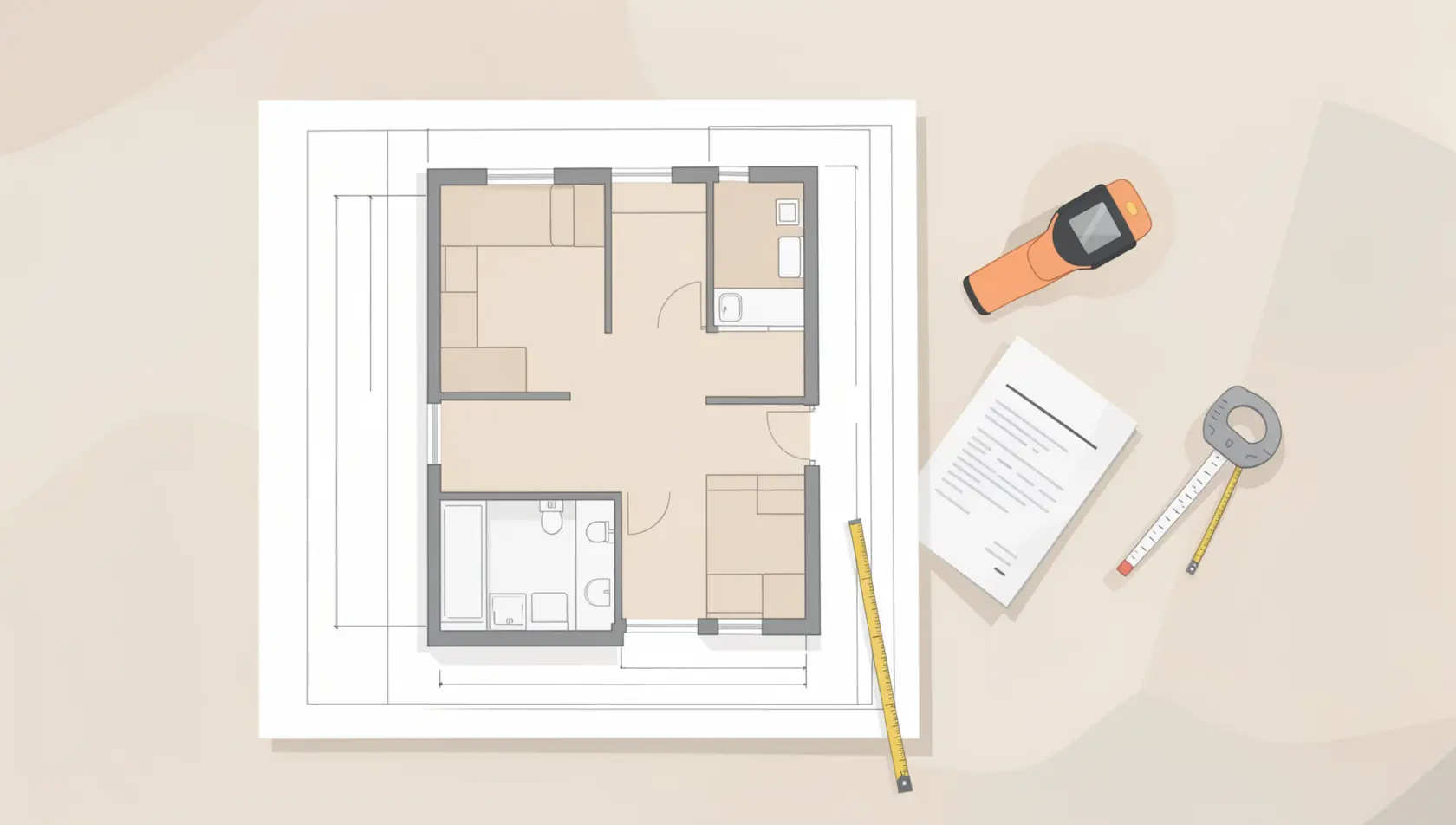
How to Check Apartment Floor Area at Handover
Checking an apartment’s floor area at handover is not just a technical detail — it can directly affect the final purchase price and your legal position. Even small discrepancies between the actual size and the contract may have financial consequences. In this article, you will learn how to measure floor area correctly, how to compare it with the contract, and what to do if the figures do not match.