
Property Inspection Before Purchase — What Buyers Often Miss
Publication date: January 16, 2026

Buying a property is often driven by location, layout, and visual condition. Fresh finishes, new flooring, or a recently renovated bathroom can easily create a sense of confidence. However, many critical technical issues remain hidden behind walls, under floors, or within building systems. This is why a property inspection before purchase plays a decisive role in protecting buyers from unexpected costs and post-transaction disputes.
For private buyers, investors, and international clients, understanding the real technical condition of a property before signing a contract is not a formality—it is a risk management step.
What Buyers Most Often Miss During a Property Inspection Before Purchase
In practice, buyers tend to focus on what is visible and emotionally reassuring. Professional inspections consistently show that the most serious problems are rarely obvious during standard viewings.
Structural and Load-Bearing Issues
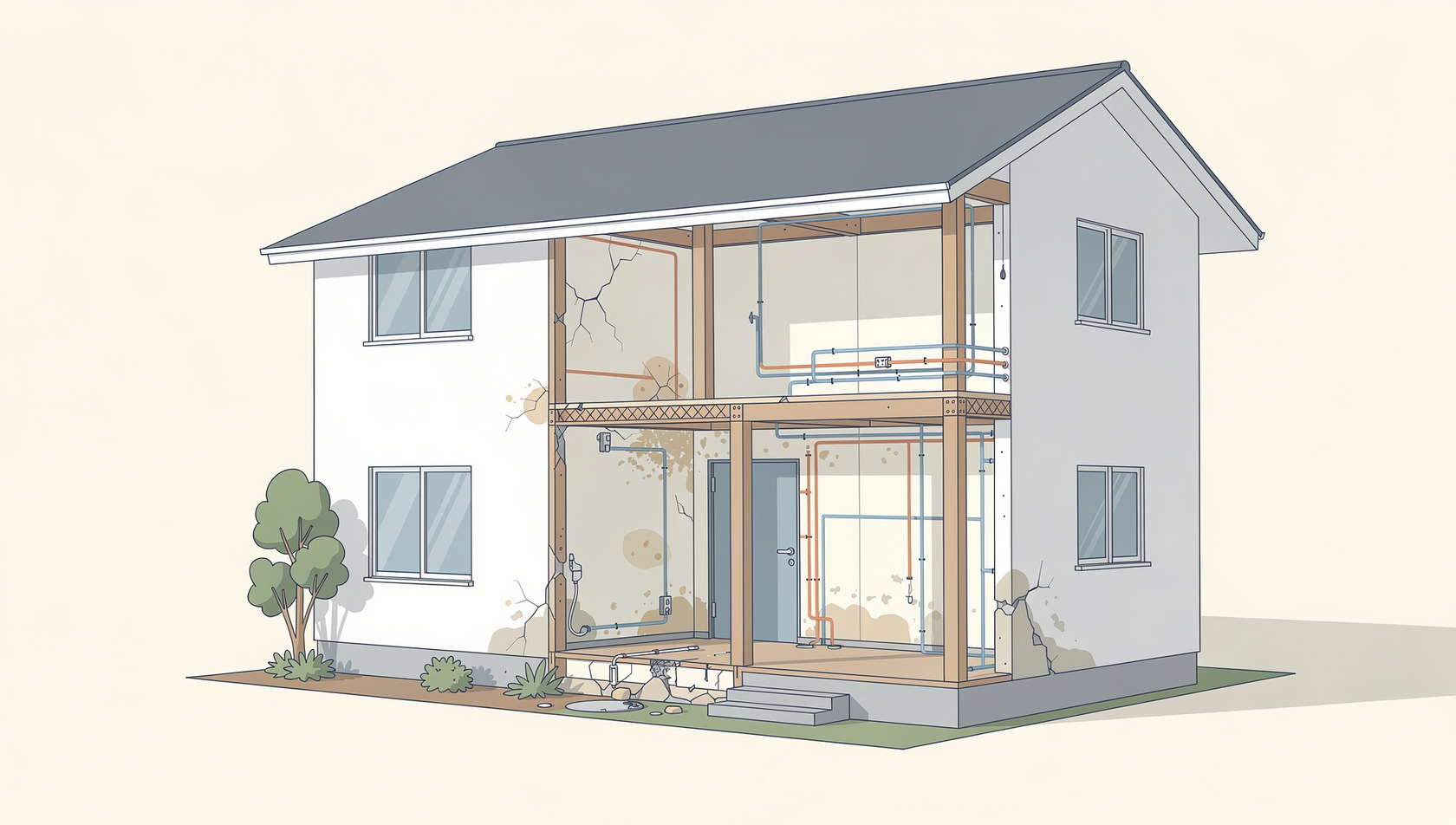
Minor cracks, uneven floors, or subtle wall deformations are often dismissed as cosmetic. In reality, these can indicate structural movement, uneven settlement, or long-term stress on load-bearing elements. Structural defects are consistently among the most expensive issues to remedy once ownership is transferred.
Moisture, Insulation, and Hidden Water Damage
Moisture problems are one of the most underestimated risks. Condensation, thermal bridges, leaking insulation layers, or hidden plumbing leaks may not be visible during a short visit. Data from the International Association of Certified Home Inspectors highlights moisture intrusion as one of the most commonly overlooked defects during property purchases. Left untreated, moisture issues often lead to mould growth, material degradation, and higher energy costs.
Electrical and Technical Safety Risks
Outdated wiring, missing grounding, overloaded circuits, or non-compliant electrical modifications are rarely obvious to non-specialists. These issues can represent both safety risks and future financial liabilities. Technical inspections frequently reveal installations that no longer meet basic safety expectations, even in properties that appear well maintained.
Roof, Façade, and Building Envelope Problems
Roof defects, façade deterioration, and compromised building envelopes are difficult to assess without technical access and tools. Water penetration through roofs or façades often becomes visible only after seasonal changes. Professional surveys regularly identify early-stage damage that would otherwise go unnoticed until repairs become urgent and costly.
Why These Issues Are Commonly Overlooked
Several factors contribute to buyers missing critical defects:
- Visual focus on finishes rather than technical systems
- Time pressure during viewings and negotiations
- Reliance on seller or developer descriptions
- Lack of specialist tools and technical knowledge
Consumer property studies consistently show that buyers prioritise aesthetics and layout, while technical condition receives limited attention unless professionally assessed.
Can a Seller or Developer Report Be Trusted
Seller-provided or developer reports are often limited in scope and may focus on compliance at the time of construction rather than current condition. While such documents can be useful, they are not a substitute for an independent technical assessment conducted in the buyer’s interest.
Is a Professional Property Inspection Before Purchase Worth the Cost
From a financial perspective, inspection costs are minimal compared to the potential expense of undiscovered defects. Structural repairs, moisture remediation, or electrical upgrades can quickly exceed the cost of inspection many times over. In many cases, inspection findings also provide a factual basis for renegotiating the purchase price or repair obligations.
When Should the Inspection Be Done
The optimal moment for a property inspection before purchase is prior to signing the final purchase contract. This timing allows buyers to:
- Make an informed decision
- Adjust contractual terms if needed
- Avoid post-purchase disputes
Inspections conducted after signing often limit the buyer’s options and shift financial responsibility entirely onto the new owner.
Expert Insight from PKB Inspectors
At PKB, a property inspection before purchase is approached as a technical risk assessment rather than a formal checklist. Our inspectors regularly identify issues that buyers were never informed about—not necessarily due to bad faith, but because these defects are technically invisible during standard viewings.
Common findings include early-stage moisture penetration, structural deviations hidden behind finishes, and non-compliant technical installations. In many cases, the inspection report becomes a practical tool for negotiations, helping clients clarify responsibilities or adjust pricing before final commitment.